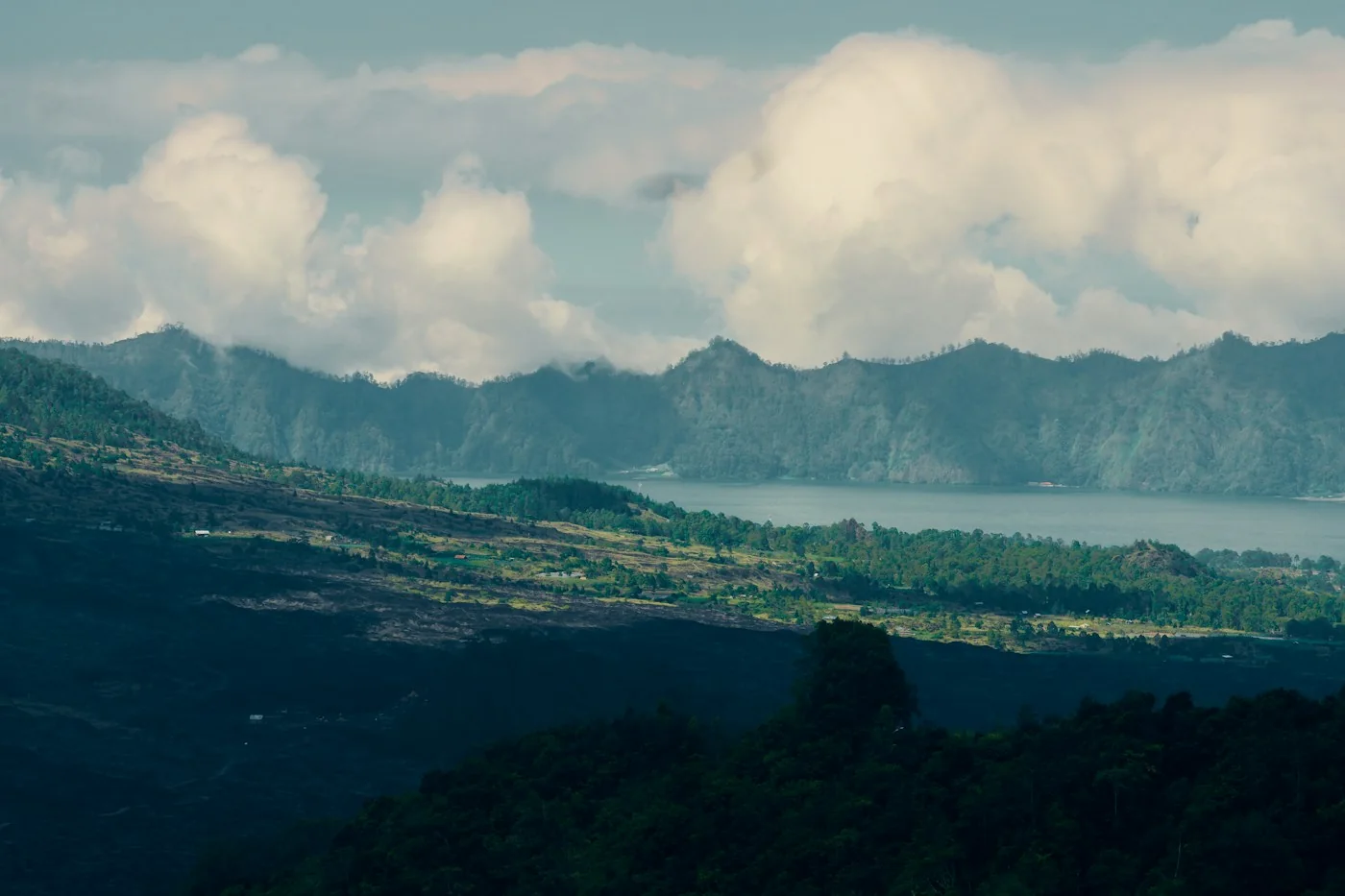
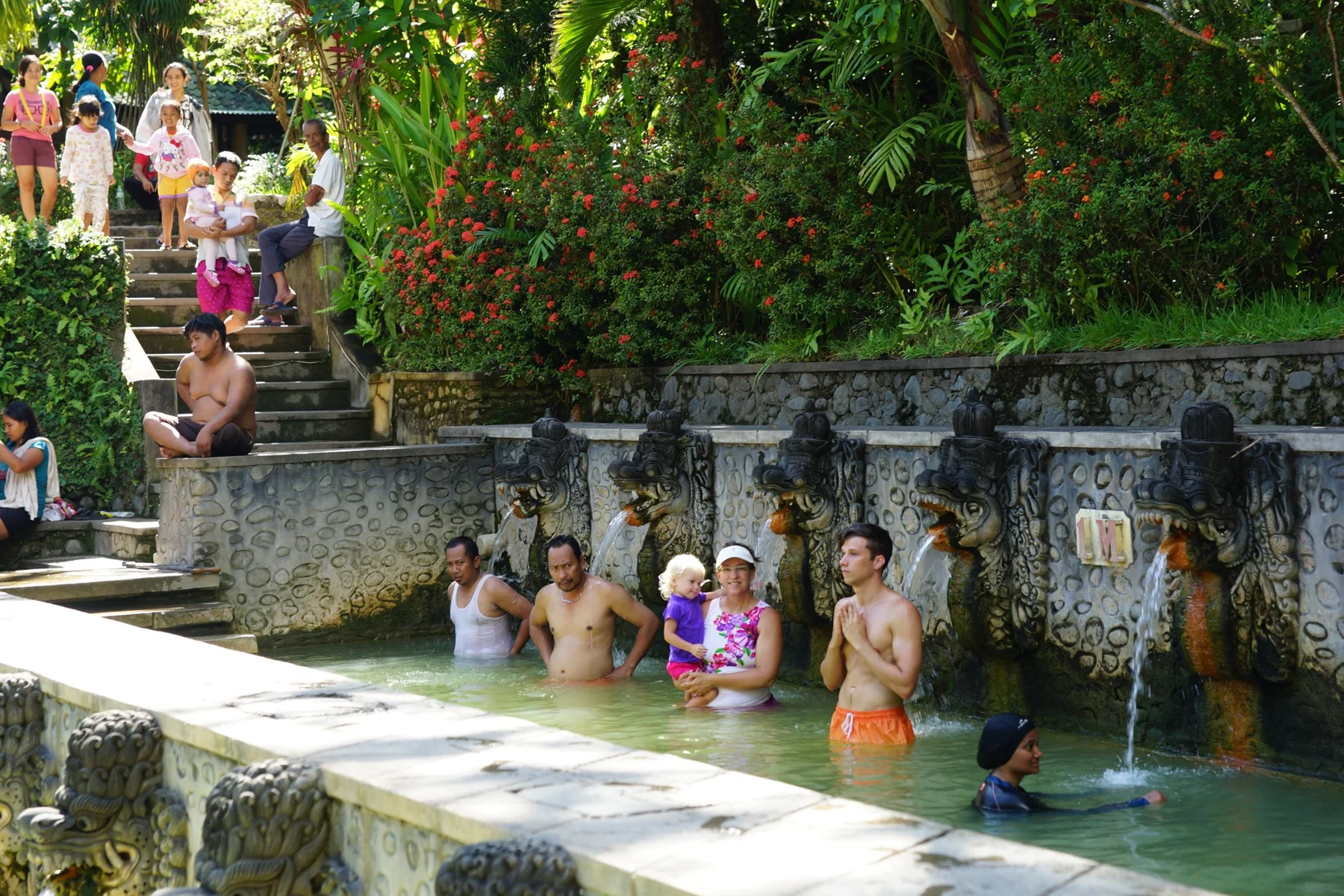
Bali hot springs can be a destination in their own right, rather than a quick addition after a busy tour. The most useful first decision is geographical: do you want to explore North Bali or the volcanic landscape around Lake Batur? Choose the area that fits your stay, then compare individual bathing venues. A beautiful photograph alone will not tell you how much driving, walking or changing-room convenience a visit involves.
Start with the setting you want
Banjar offers a traditional bathing setting in North Bali, while the Lake Batur area combines hot-spring venues with a volcanic lakeside landscape. Neither is automatically the best choice for every visitor. Think about whether your ideal day centres on the pools, scenery, a meal with a view or an overnight stay nearby. Pick one main experience and allow the rest of the day to support it.
For a clearer comparison, read our Banjar versus Batur guide. It considers the shape of the whole day rather than trying to rank two very different places.
Separate hot springs from sacred springs
Not every Bali attraction with water in its name is a thermal bathing venue. Tirta Empul, for example, is a sacred Hindu water temple. Its purpose, etiquette and visitor experience differ from those of a hot-spring pool. Waterfalls, hotel pools and holy springs should not be treated as interchangeable alternatives on a booking page. Check what the place actually is before packing swimwear or expecting a recreational soak.
Compare the practical details
Before buying a ticket, ask the operator about changing facilities, towel availability, lockers, shaded seating and food. Confirm which pools your ticket includes and whether any areas are closed. Families should ask about age restrictions and suitable pool temperatures rather than relying on a general “family-friendly” label. Visitors who need step-free access should request information about the complete route from parking to pool, not just the entrance.
A low advertised entry price may exclude items you need. Compare the total day: transport, admission, any equipment hire, lunch and the return journey. Avoid assuming that facilities pictured in an older review are still included.
Build a day with room to enjoy it
Our suggested approach is simple: travel to one area, enjoy the main venue, have an unhurried meal and keep an optional nearby stop. If reaching the springs requires a long cross-island drive, consider staying in that region instead. A tightly scheduled temple, waterfall, mountain and pool combination can turn a relaxing idea into a day of deadlines.
Before you leave
- Confirm the exact venue name and map pin; similar names can refer to different operators.
- Check opening information with the venue and weather with BMKG.
- Pack dry clothing and keep valuables to a minimum.
- Agree on the return pickup point before entering.
- Follow pool rules and leave if conditions do not feel suitable.
Use our hot-springs packing list to prepare, then choose a destination because it suits your route and interests. The most enjoyable visit is often the one with enough time to stay present.
Sources & planning notes
Destination context and visitor guidance are linked below. Suggested routes and booking checklists are Bali Springs planning ideas, not confirmed tours. Check current access, facilities and rules with the relevant venue.
- Visit North Bali — Banjar Hot Springs ↗
- UNESCO — Batur Global Geopark ↗
- Toya Devasya — operator information ↗
Source review: 29 September 2026.