
AT A GLANCE
Before you go
- Describe your walking limits in concrete terms.
- Choose places where sitting and observing are welcome.
- Keep vehicle time and backtracking manageable.
Define the amount of walking you want
Be specific about your preferred day. Do you want to stay near the vehicle, walk on level surfaces or manage a short route with a few steps?
Share that information when arranging transport or asking about a venue. The phrase no hiking can still leave room for misunderstandings. Request details about parking, toilets, seating and the path to the main view so the whole visit matches your expectations.
Choose settings that reward time spent still
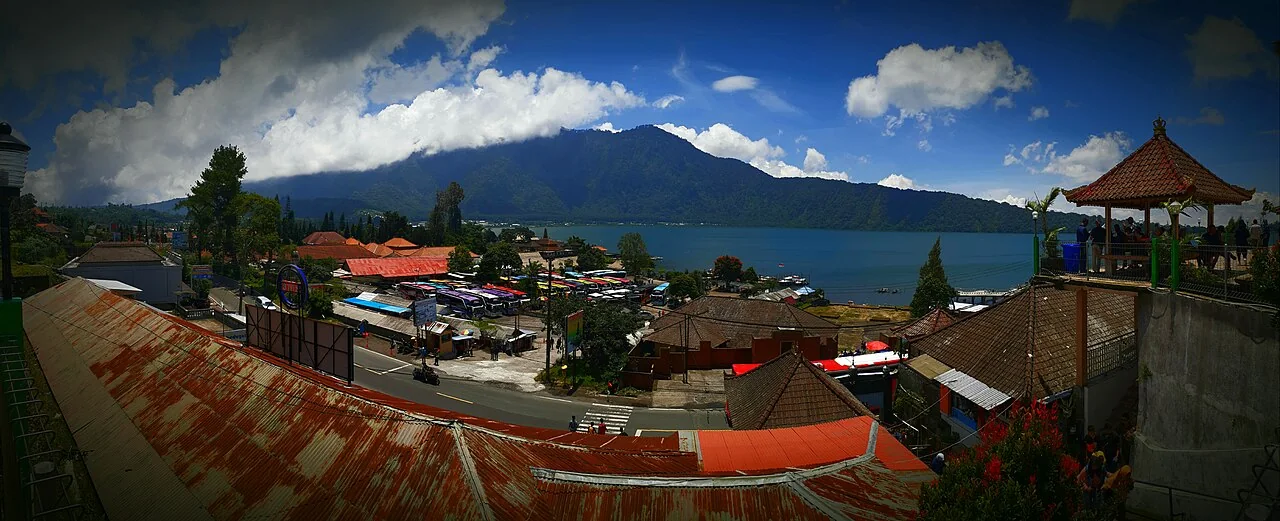
A lake view, water garden or terrace overlook can offer plenty to notice without covering a long distance. Look for a place where you can sit, have a meal or watch the light change.
Confirm that the seating is available to your type of visitor and whether it requires a purchase or reservation. A comfortable pause is an activity in itself, especially when the alternative is a sequence of hurried roadside photographs.
Keep one optional short walk
If your group enjoys some movement, add a short route with a clear return rather than a trail whose endpoint is uncertain. Ask about the surface and choose a turnaround point before anyone becomes tired.
Let different preferences coexist: one person may walk while another rests in a suitable place, provided the meeting arrangements are clear. Avoid choosing a route that leaves someone waiting alone without a comfortable or permitted place to sit.
Plan transport as part of the experience
A gentle day on foot can still become tiring in a vehicle. Limit unnecessary backtracking and choose stops that fit the same region.
Confirm pickup points and allow time for meals, toilets and changing if you include a hot spring. If scenery is the priority, keep flexibility around the forecast. The aim is a manageable pace throughout the day, from leaving your accommodation to returning, rather than merely removing hiking from an otherwise crowded itinerary.
A LITTLE MORE CLARITY
Common questions
Does no hiking mean a place is accessible?
No. A non-hiking attraction can still have steps or uneven surfaces. Confirm the complete access route for your needs.
What is a good structure for a gentler nature day?
One scenic setting, a comfortable meal and one optional short activity can work well when the route and access are confirmed.
Sources & planning resources
Destination context and official planning links are listed below. Itineraries and checklists are independent planning suggestions, not confirmed tours or reports of a personal site inspection. Confirm current access, prices and facilities with the relevant provider.