
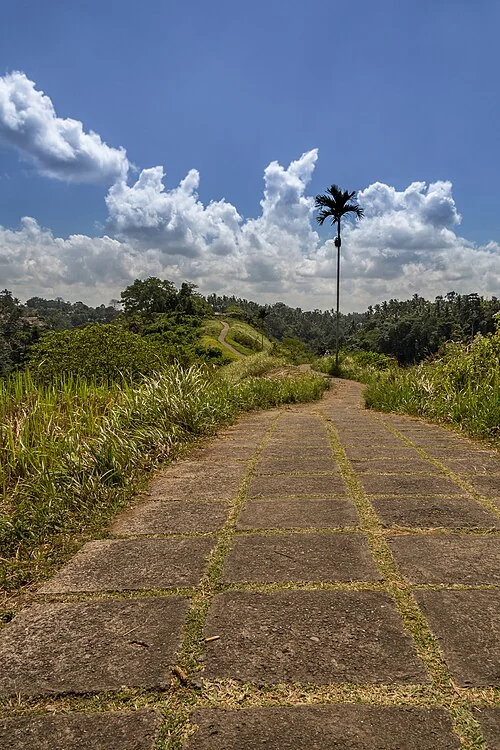
AT A GLANCE
Before you go
- Confirm the route and return point before departure.
- Stay on visitor paths and leave water controls untouched.
- Adjust the walk when surfaces or weather change.
Start with a route you can explain
Before leaving, be able to describe the starting point, intended path and finish. A collection of attractive map pins is not a walking route.
Ask your host or a local guide which paths welcome visitors and whether the route returns to the same road. Save a map for reference, but follow current local guidance where access has changed. If you cannot establish a clear return, choose a shorter walk instead.
Treat narrow boundaries as working features
The edges between fields may look like convenient paths but can serve agricultural purposes. Use designated routes and avoid stepping into crops, touching gates or changing the flow of a channel.
Let people working in the fields pass easily. Ask permission before close photographs and avoid requesting that someone stop work to pose. The landscape becomes more interesting when you notice its function instead of using it only as scenery.
Prepare for the walk you selected
Choose footwear suited to the actual surface and carry water and weather protection. Ask about shade and places to rest before setting off.
Keep your bag light enough to manage comfortably on narrow sections. If you are walking with children, establish clear boundaries before reaching the fields. If a route becomes muddy or difficult, turn back while you still have a comfortable option rather than treating completion as the purpose of the outing.
Choose one observation to bring home
A short walk can be memorable when you notice something specific: a change in crop stage, a channel beside the path or the pattern of terraces across a slope. Ask a guide about what you see rather than expecting an exhaustive lesson.
Pause for a meal afterward and keep the next activity optional. An enjoyable walk does not depend on distance covered; it depends on a suitable route and time to pay attention.
A LITTLE MORE CLARITY
Common questions
Can I follow any path visible between rice fields?
No. Some paths are private or used for farming. Ask which routes are open to visitors before entering.
Is a guided walk useful?
It can help with route clarity and local context. Choose a guide whose planned route and explanation match your interests and walking ability.
Sources & planning resources
Destination context and official planning links are listed below. Itineraries and checklists are independent planning suggestions, not confirmed tours or reports of a personal site inspection. Confirm current access, prices and facilities with the relevant provider.