
AT A GLANCE
Before you go
- Leave channels, gates and barriers untouched.
- Use designated rinsing and disposal facilities.
- Ask about specific practices instead of vague green claims.
Look beyond the visitor experience
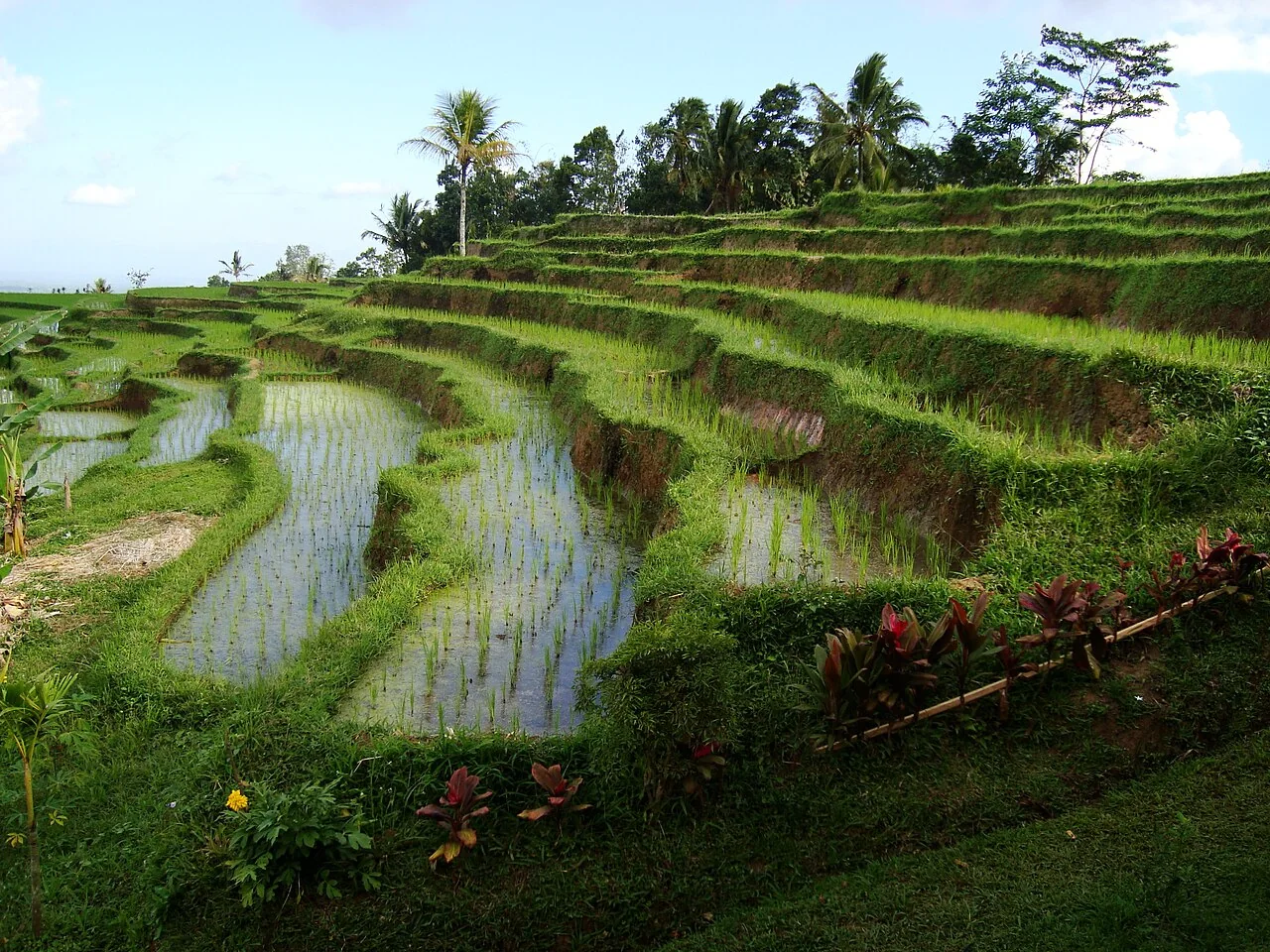
Water landscapes can support farming, cultural practices and daily life as well as tourism. A visitor does not need to understand every system to act considerately.
Notice signs, stay on permitted routes and ask before entering spaces beyond the visitor area. Avoid moving stones, opening channels or changing barriers. Small interventions made for convenience or a photograph can affect a place in ways that are not obvious from the path.
Use facilities for their intended purpose
Change and rinse where the venue directs. Do not wash clothing, equipment or personal items in springs, ornamental pools or irrigation channels.
Dispose of rubbish correctly and carry it out when an appropriate bin is not available. Follow the operator’s rules on products and bathing preparation. These actions are simple, observable and relevant to the site, unlike broad environmental claims that a visitor cannot verify during a short stay.
Ask practical questions of accommodation
If resource use matters to your booking, ask about specific practices rather than relying on green language. For example, ask how towel changes are handled or whether drinking-water refills are available.
Do not assume that a natural-looking pool is environmentally preferable or that a small property automatically has better practices. Choose services that answer your questions clearly and use the facilities thoughtfully during the stay.
Share information that supports respectful access
When recommending a place, include its actual identity and any important visitor boundaries. Do not promote restricted springs as secret swimming spots.
Credit photographs appropriately and avoid captions that misrepresent a site’s purpose. If you find an access issue, discuss it with the responsible provider rather than improvising a new route. Responsible travel is often a series of ordinary choices that make it easier for both residents and future visitors to use a place respectfully.
A LITTLE MORE CLARITY
Common questions
Is a natural-looking pool automatically sustainable?
No. Appearance does not explain its water source, maintenance or resource use. Ask the operator about the practices that matter to you.
Should I share the location of a restricted spring?
Do not promote it as a visitor attraction without confirming that access is welcome and permitted. Respect the site’s purpose and boundaries.
Sources & planning resources
Destination context and official planning links are listed below. Itineraries and checklists are independent planning suggestions, not confirmed tours or reports of a personal site inspection. Confirm current access, prices and facilities with the relevant provider.