
The best time to visit Bali hot springs depends on more than the month on your flight ticket. Local weather, the venue’s schedule, your travel route and the experience you want all matter. A seasonal label can help with broad planning, but it cannot promise a clear view, an empty pool or a particular temperature on the day.
Use two levels of planning: choose a practical travel period, then make the final activity decision using destination-specific information close to your visit.
Separate climate from the daily forecast
Climate describes patterns across longer periods; a forecast addresses upcoming conditions. Bali’s seasonal rainfall patterns are monitored by BMKG, and the timing and character of seasons can vary. Do not interpret “dry season” as a guarantee of no rain or assume that a wet-season trip has no usable outdoor periods.
Consult BMKG’s current information for the place you plan to visit. An accommodation’s weather in another part of Bali is not a substitute for checking the destination.
Think about the experience around the water
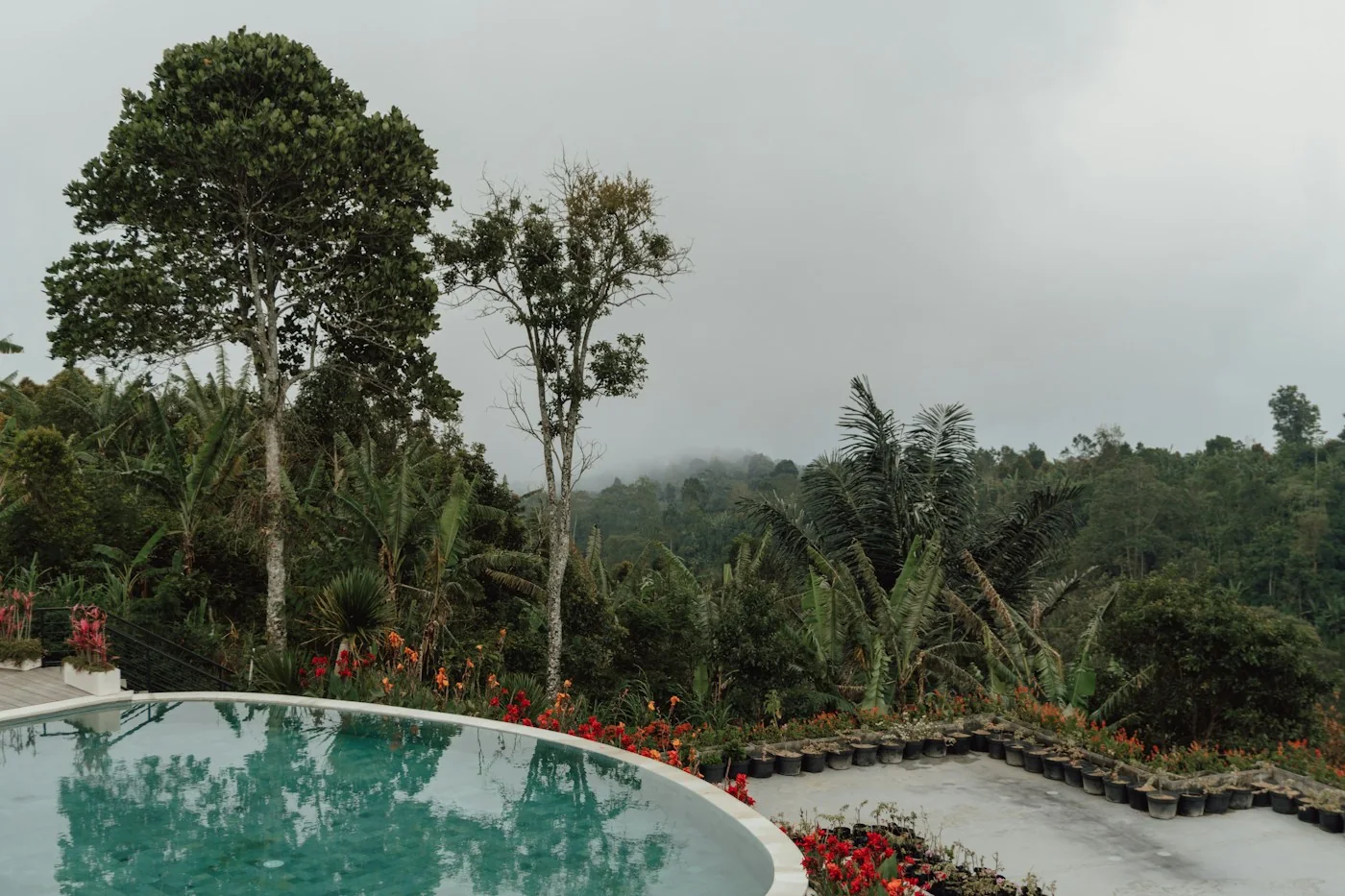
The journey, changing areas, seating and any viewpoints are part of the day. A warm pool does not make exposed paths or a long drive irrelevant to weather planning. If you want landscape photography around Lake Batur, visibility may matter as much as the bathing conditions.
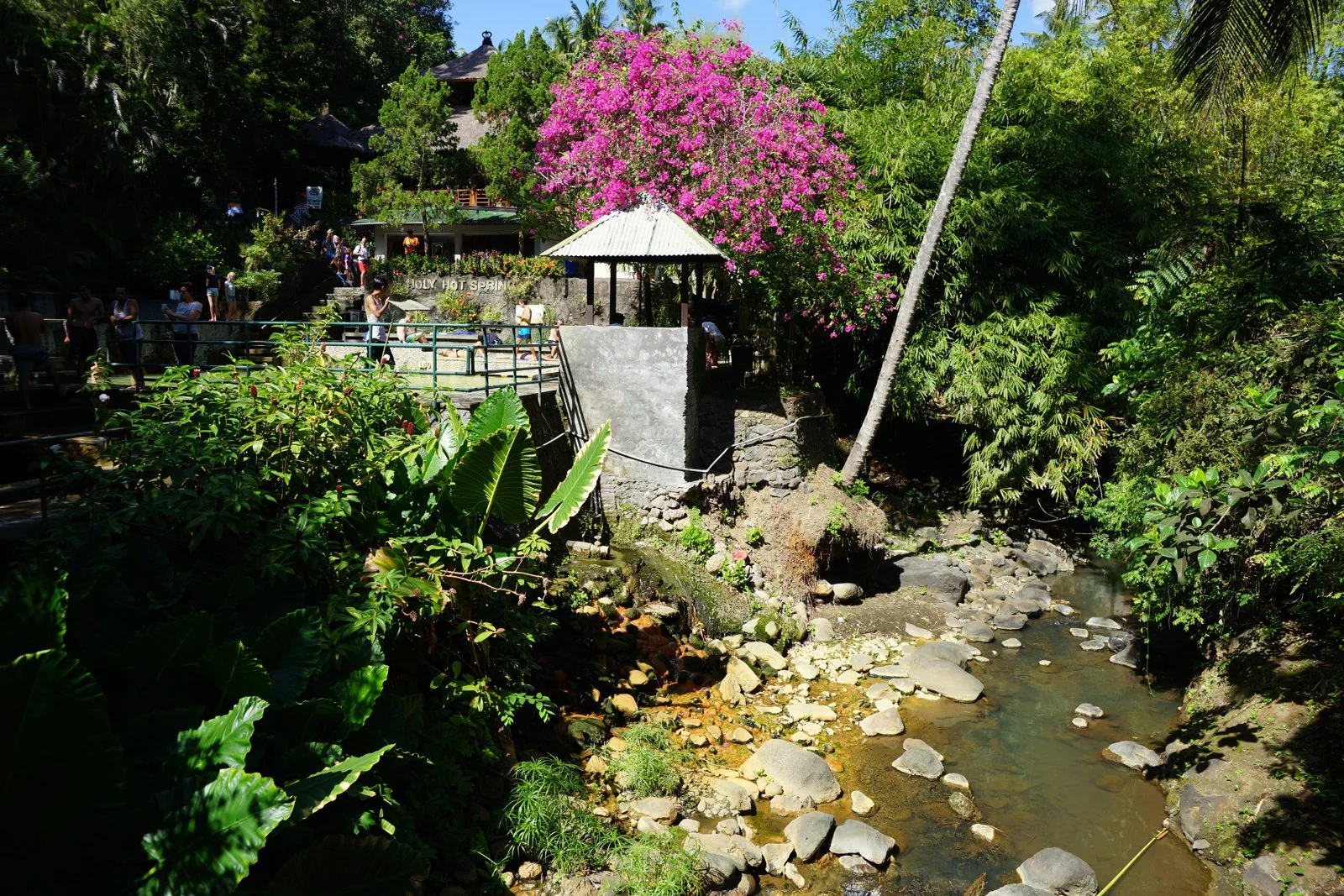
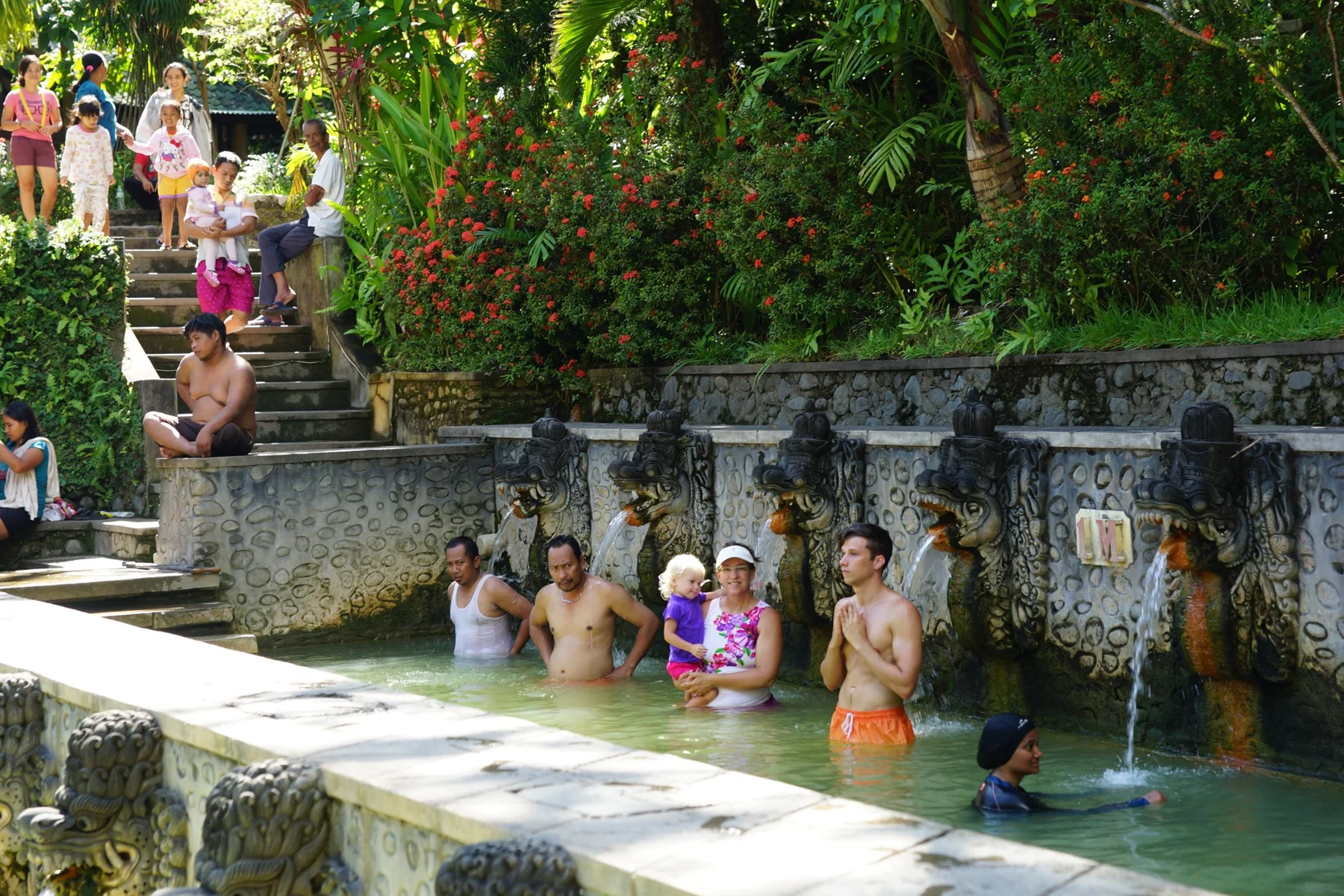
For Banjar, consider how the visit fits into your North Bali route. For Batur, decide whether views or a specific pool venue are the main priority. That will help you judge whether a change in conditions affects the whole outing or only one part.
Ask about the venue's daily rhythm
Contact the operator for current opening arrangements and ask whether there are known events, maintenance closures or busy periods on your intended date. Avoid relying on an old blog’s claim that one hour is always quiet. Group visits and local circumstances can change the atmosphere.
Arrive with enough time to use the facilities comfortably before closing. Choosing the last possible entry may leave less room for changing, breaks or an unhurried return.
Put the visit on a flexible day
If a spring or landscape is important to your trip, avoid placing it in the only narrow gap between arrival and departure. Keep a nearby alternative and, where feasible, another possible day. Flexible arrangements can be more valuable than a small discount attached to a rigid schedule.
Ask about cancellation or rescheduling terms before paying. A forecast change does not automatically mean every supplier will offer a refund.
A practical decision the evening before
- Check the local forecast and any warnings.
- Confirm the venue and access arrangements.
- Review the transport plan and return time.
- Decide whether your optional outdoor stop still makes sense.
- Keep a dry alternative available without adding a long detour.
There is no need to find a universally perfect month before enjoying Bali’s springs. Choose a sensible route, use current information and remain willing to adjust. Our rainy-day guide can help you preserve the feeling of the holiday when the weather changes the details.
Sources & planning notes
Destination context and visitor guidance are linked below. Suggested routes and booking checklists are Bali Springs planning ideas, not confirmed tours. Check current access, facilities and rules with the relevant venue.
- BMKG — weather forecasts and warnings ↗
- BMKG Bali — seasonal climate bulletins ↗
- Visit North Bali — Banjar Hot Springs ↗
- UNESCO — Batur Global Geopark ↗
Source review: 29 September 2026.