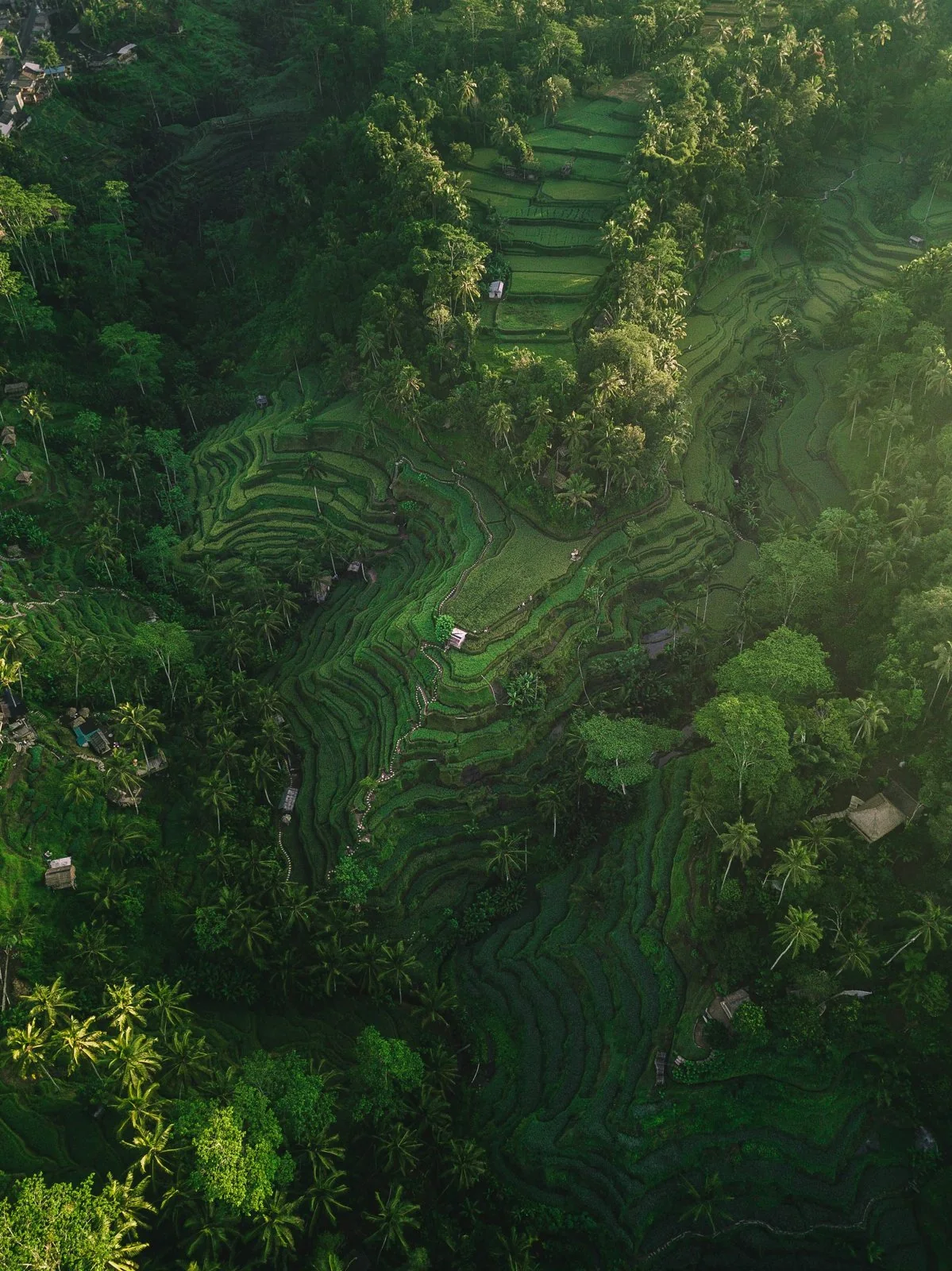
The Tegallalang rice terraces north of Ubud offer an introduction to Bali’s terraced agricultural landscape. You may also see the name spelled Tegalalang. Whichever spelling appears on your map, look beyond the photograph: these fields are connected to farming, water management and the people who work the land.
A useful visit begins by deciding whether you want a viewpoint, a permitted walk or a commercial activity. Those are separate choices and may involve different entrances or arrangements.
Know what you are paying to enter
An attraction using the words “rice terrace” may offer a viewing platform, a walkway, a swing, a café or a combination. Ask what your chosen admission includes before assuming it gives access to every field or neighbouring business. Use the exact entrance pin supplied by the operator or visitor point you have selected.
You can enjoy the landscape without adding every paid activity. Decide what interests you and leave space in the day to appreciate it.
Treat the terraces as working ground
Stay on permitted paths and avoid stepping into planted areas for a photograph. Narrow field edges and channels are part of the agricultural landscape, not a network of unrestricted public trails. If you are unsure whether a route is open to visitors, ask a local attendant or landholder.
Do not move farming tools, plants or irrigation features to clear a view. Buying a drink or paying an entrance fee does not make every adjoining piece of land accessible.
Plan for changes in elevation
Views from the upper edge can be very different from the experience of walking down and back up. Ask about steps, slopes and the return route. Wear footwear suited to the conditions and carry water. If you prefer a less strenuous visit, choose a viewpoint with confirmed access instead of committing to a longer walk.
Weather and agricultural cycles also affect what you see. Rice fields do not remain the same shade of green throughout the year, and a photograph should not be treated as a guarantee of current planting conditions.
Understand the subak connection
Tegallalang is associated with Bali’s traditional subak irrigation system. However, using subak and being part of a specific UNESCO World Heritage component are not identical claims. UNESCO’s listed cultural landscape consists of named areas and water temples; avoid describing every Balinese rice field as individually UNESCO-listed.
Our introduction to subak explains why the relationship between water, farming and community matters when you visit a terrace landscape.
Make the visit fit your Ubud day
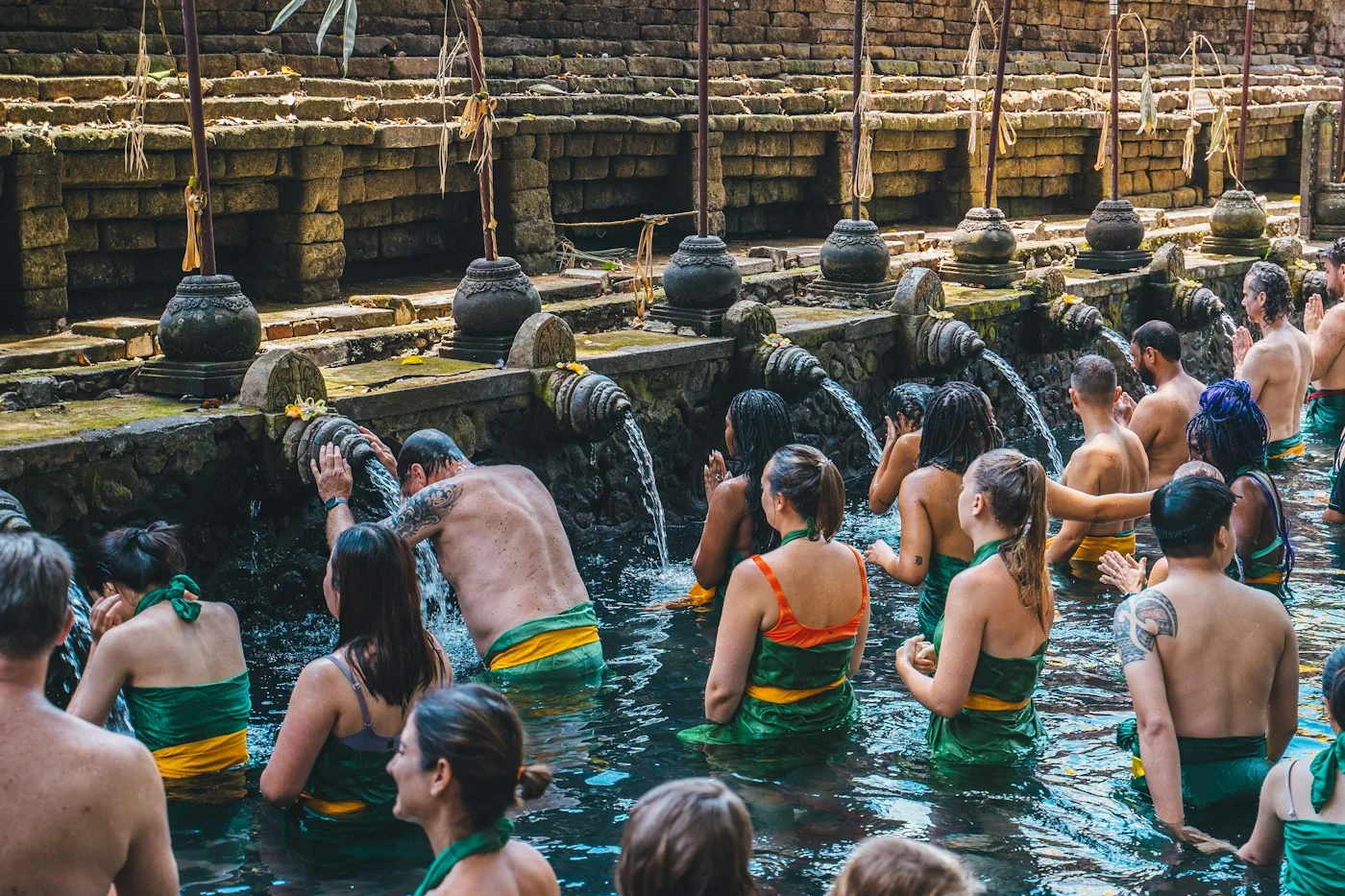
Pair the terraces with a meal and one additional interest that fits your actual route. If you include a temple such as Tirta Empul, bring appropriate clothing and allow time for a different kind of visit. Do not treat both as interchangeable photo stops.
For photography, keep pathways open and ask before making a worker the focus of an image. A thoughtful visit gives you more than a landscape picture: it makes room for the activity and people that keep the landscape alive.
Sources & planning notes
Destination context and visitor guidance are linked below. Suggested routes and booking checklists are Bali Springs planning ideas, not confirmed tours. Check current access, facilities and rules with the relevant venue.
Source review: 29 September 2026.