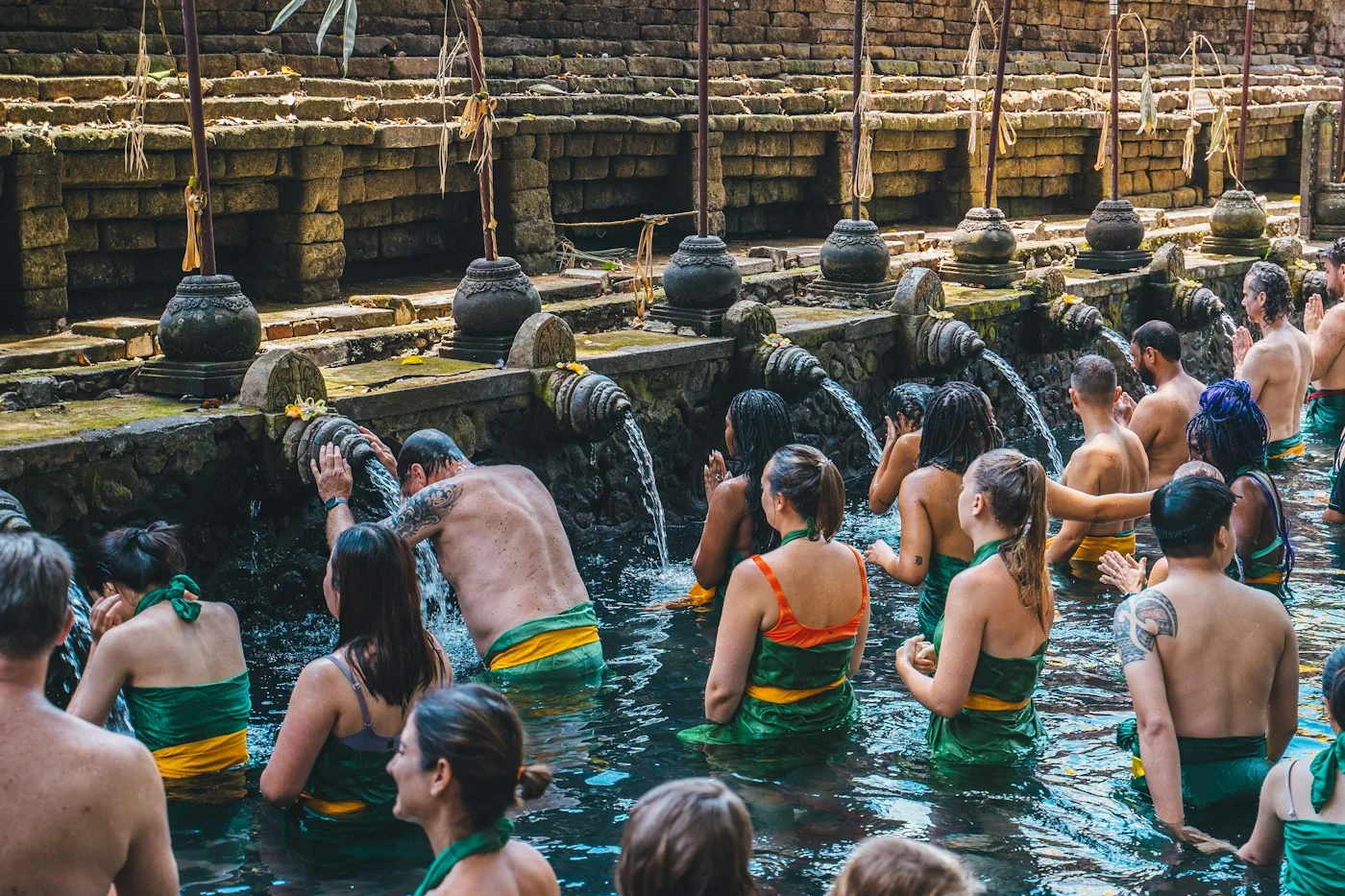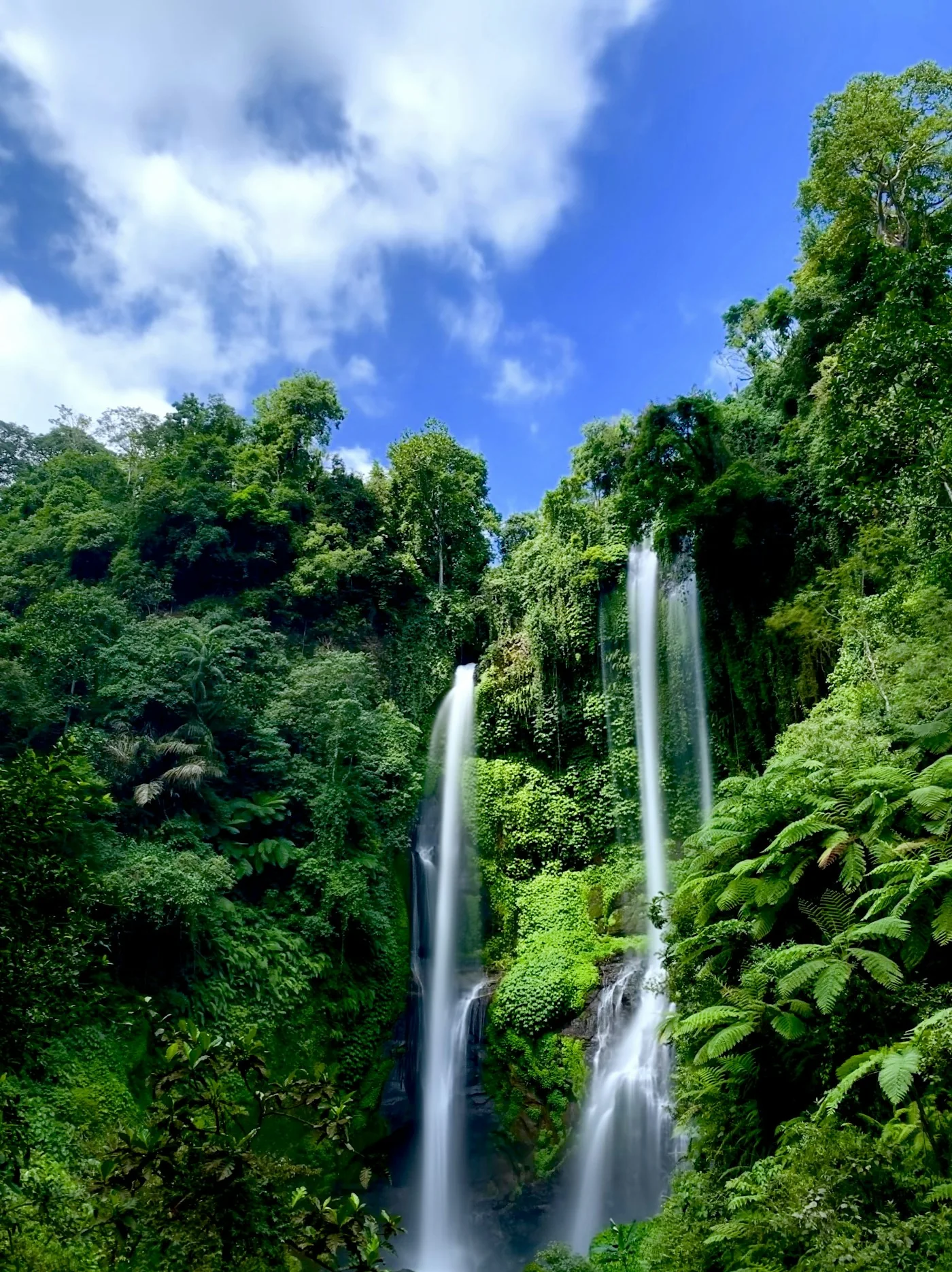
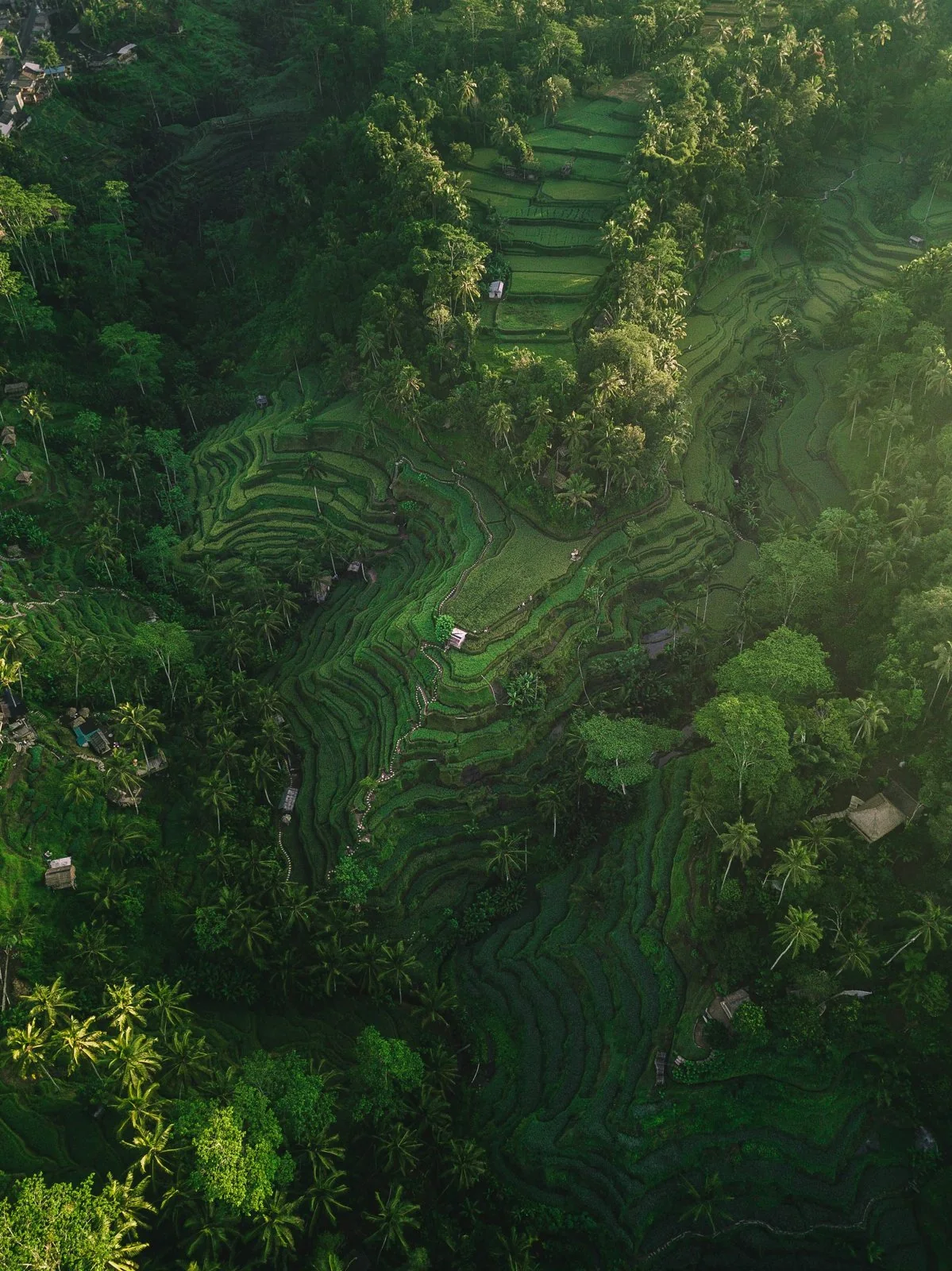
Water is one of the threads connecting a Bali nature trip. It appears in rice terraces, temples, rivers and springs, but it is more than scenery. Bali’s subak system brings irrigation and community organisation together, helping explain why a field can be both productive farmland and part of a wider cultural landscape.
You do not need specialist knowledge to appreciate that connection. You do need to approach working land as a place with a purpose beyond tourism.
Look beyond the shape of the terraces
A terrace photograph captures contours and colour. During a visit, look also for the movement of water, the channels between plots and the relationship between paths and fields. These details can turn a brief viewpoint stop into a more attentive experience.
Avoid assuming that an unused-looking channel or an empty patch is unimportant. Agricultural landscapes change through planting and maintenance cycles, and visitors may not recognise the function of what they see.
What UNESCO recognises
UNESCO’s Cultural Landscape of Bali Province listing describes subak through the relationship between water temples, irrigation and the Tri Hita Karana philosophy. The property is made up of specific components rather than every rice terrace on the island. Its significance is not simply that the fields look beautiful.
This matters when reading travel descriptions. A venue can show a traditional irrigation landscape without being a separately listed UNESCO site. Ask which component a claim refers to, and use UNESCO’s own description when you want to understand the designation.
Ask questions that open a conversation
If you have a knowledgeable local guide, ask how water reaches the fields, which paths visitors can use and what stage the crop is at. Those questions are often more rewarding than asking for the fastest route to a familiar photograph. Let the guide explain what is appropriate to observe and where a visitor would interrupt work.
Do not expect every farmer to stop and become an informal guide. If someone is working, respect their time and seek out a properly arranged explanation instead.
Visit without getting in the way
Use established visitor routes, leave channels untouched and avoid entering planted ground. Ask before photographing people at close range. Keep bags, tripods and groups from blocking a narrow working path. Carry your litter out, particularly small items that can easily end up in water.
If a route is closed for farming or maintenance, choose another permitted viewpoint. A closed path is part of the life of the place, not a failure of the attraction to provide a photograph.
Connect the landscape to your wider trip
A visit to Tegallalang can introduce the visible form of terraces, while a water-temple visit calls for attention to living religious practice. Keep those experiences connected in your understanding but distinct in your behaviour: rules at a farm path and a temple courtyard are not the same.
The most useful outcome is a change in attention. Instead of seeing a green valley as empty scenery, you begin to notice the water, decisions and work behind it. That makes for a more meaningful visit without adding another destination to the itinerary.
Sources & planning notes
Destination context and visitor guidance are linked below. Suggested routes and booking checklists are Bali Springs planning ideas, not confirmed tours. Check current access, facilities and rules with the relevant venue.
- UNESCO — Cultural Landscape of Bali and Subak ↗
- Indonesia Travel — Tegallalang Rice Terraces ↗
- Bali Tourism Office — visitor conduct guidance ↗
Source review: 29 September 2026.